European NPL volumes have barely moved. At first glance, that looks like progress – or at least like stability. Total volumes at banks under direct ECB supervision fell slightly to €355.16bn. That figure is still €15.51bn above the level recorded at the end of 2022, however, underlining why the latest decline should not be read as a sustained easing of credit risk. The reality is the aggregate number is just doing a good job of hiding what’s happening underneath.
The countries pulling in opposite directions
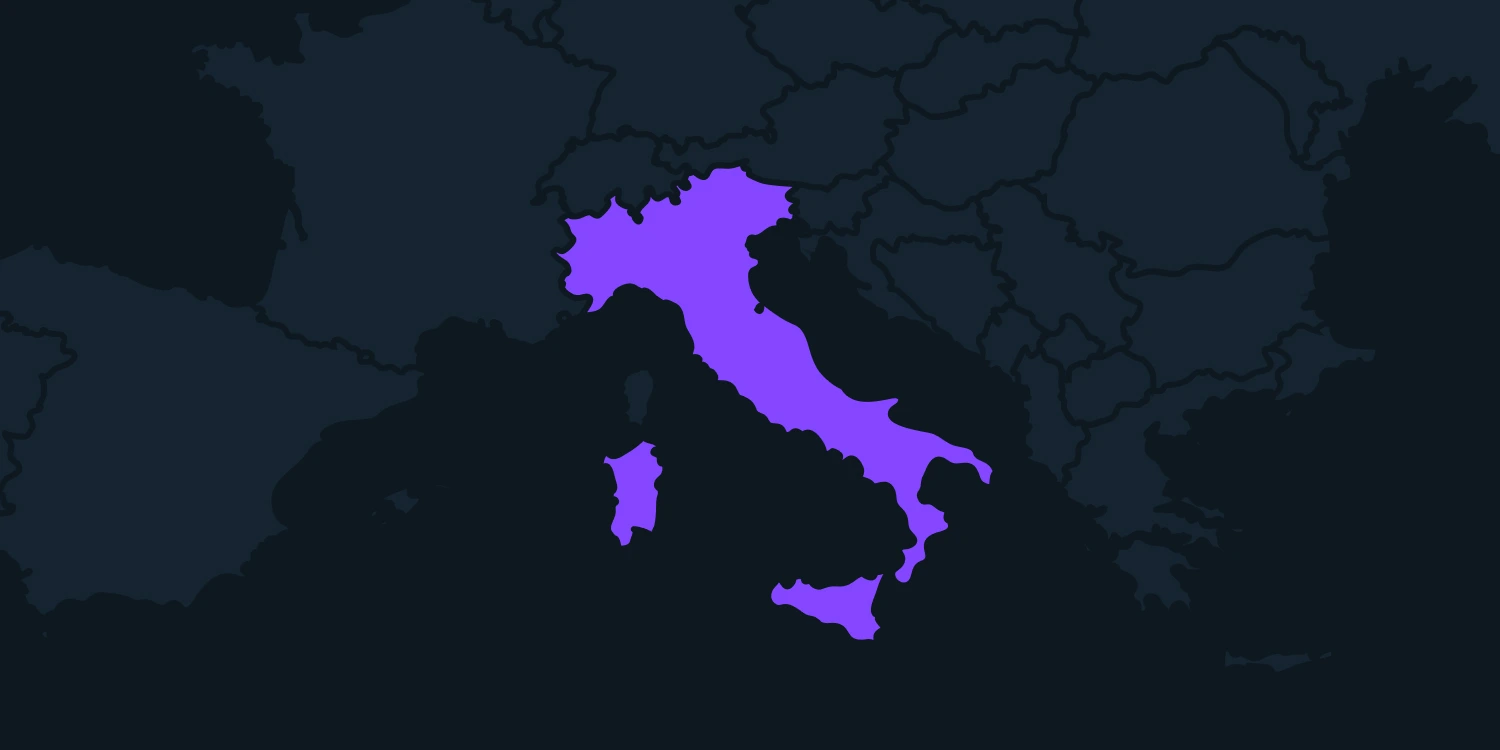
Spain and Italy have spent the better part of a decade working through their post-crisis loan books, and that work is reflected in the data. Both markets are continuing to reduce NPL volumes, and their coverage ratios remain among the strongest of the five markets examined.
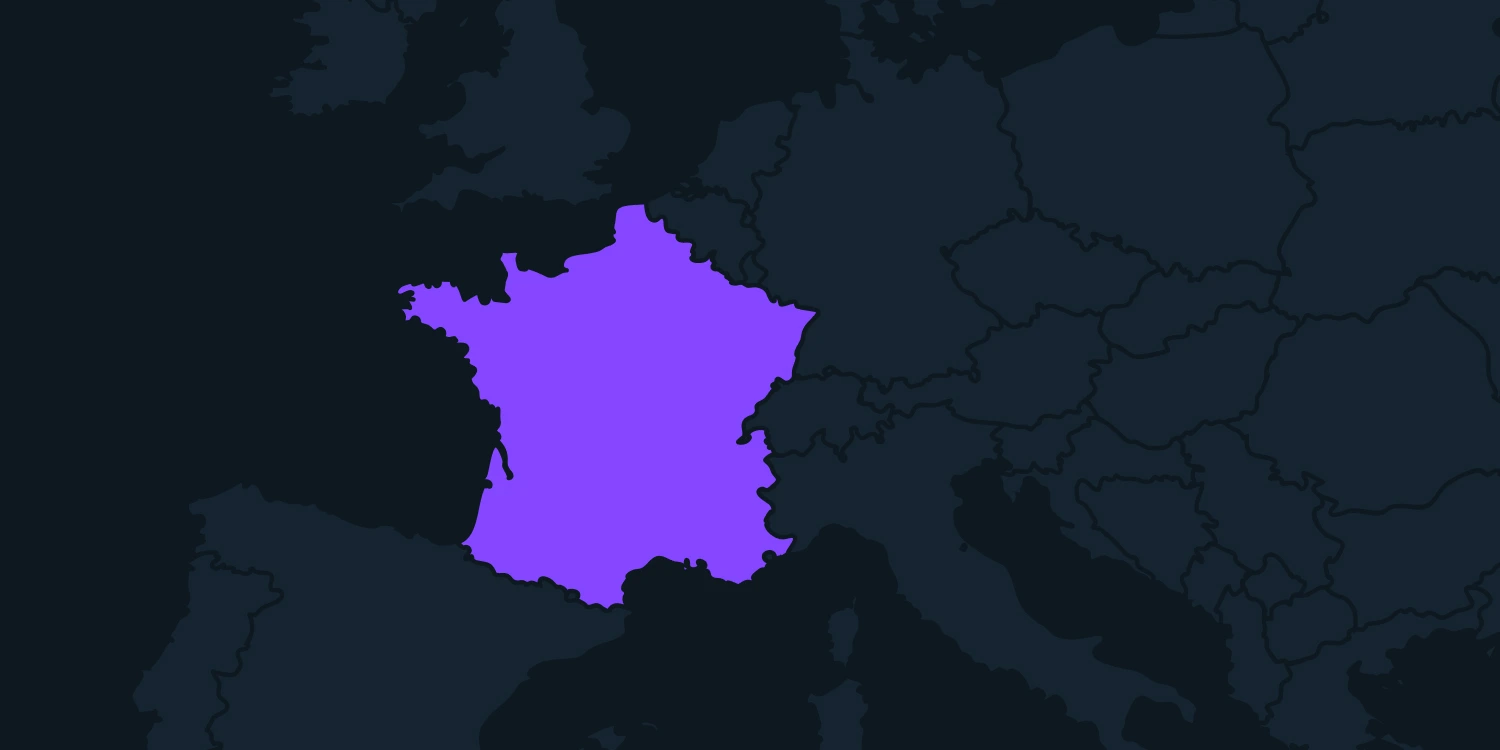
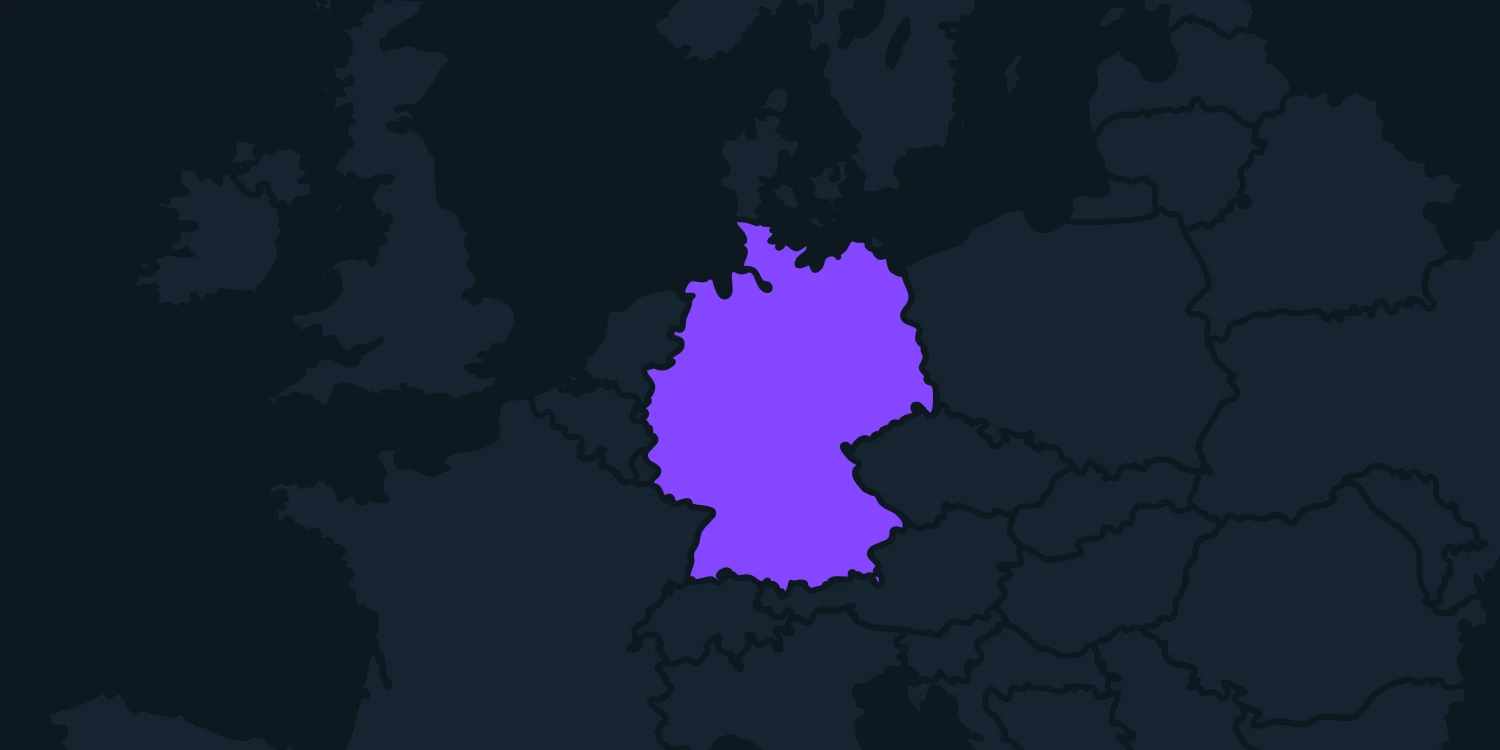
Germany and France are moving the opposite way. French NPL volumes increased by €7.58bn in 2025. In Germany, the CRE NPL ratio rose from 5.9% to 6.9%, the highest level recorded across the five markets we examined. The increases are relatively measured, but the direction is consistent.
Why is commercial real estate the pressure point for NPLs?
At aggregate level, the picture looks relatively benign: the EU/EEA CRE NPL ratio actually fell from 4.3% to 4.1%. But that average conceals a very different picture in the major markets, with Germany and France moving in the opposite direction. The strain in Germany is concentrated in commercial real estate finance. Higher funding costs, weaker valuations and business plans written in a different rate environment have left a significant portion of CRE lending in a difficult position.
Banks and borrowers have frequently responded by extending and restructuring rather than selling. That approach has limits. Refinancing deadlines are accumulating, and coverage ratios on NPLs in Germany and France have already started to edge down. At some point, lenders will have to choose between another extension, enforcement or a loan sale.
The German market has not seen a wave of portfolio transactions on the scale of Southern Europe’s post-crisis clean-up. Much of the adjustment is happening through restructurings and selective transactions, with some sales prepared before loans are formally classified as non-performing.
What does this mean for transaction activity?
The market is unlikely to open up through a single large wave. That would also mark a significant change from previous market cycles. Comparable European secondary-market transaction volumes were around €15bn in 2024, compared with approximately €76bn in 2023 and €150bn in 2021. The more likely path is gradual: smaller portfolios, individual loan exposures, secondary sales between credit investors. The European Commission noted an increase in those secondary transactions as early as 2023.
For investors, that means more opportunities, but also more complexity. Smaller, more individualised transactions place a high demand on due diligence. When you are assessing a single loan exposure rather than a standardised portfolio, the quality of documentation, the completeness of borrower and property data, and the speed of the review process all become critical.
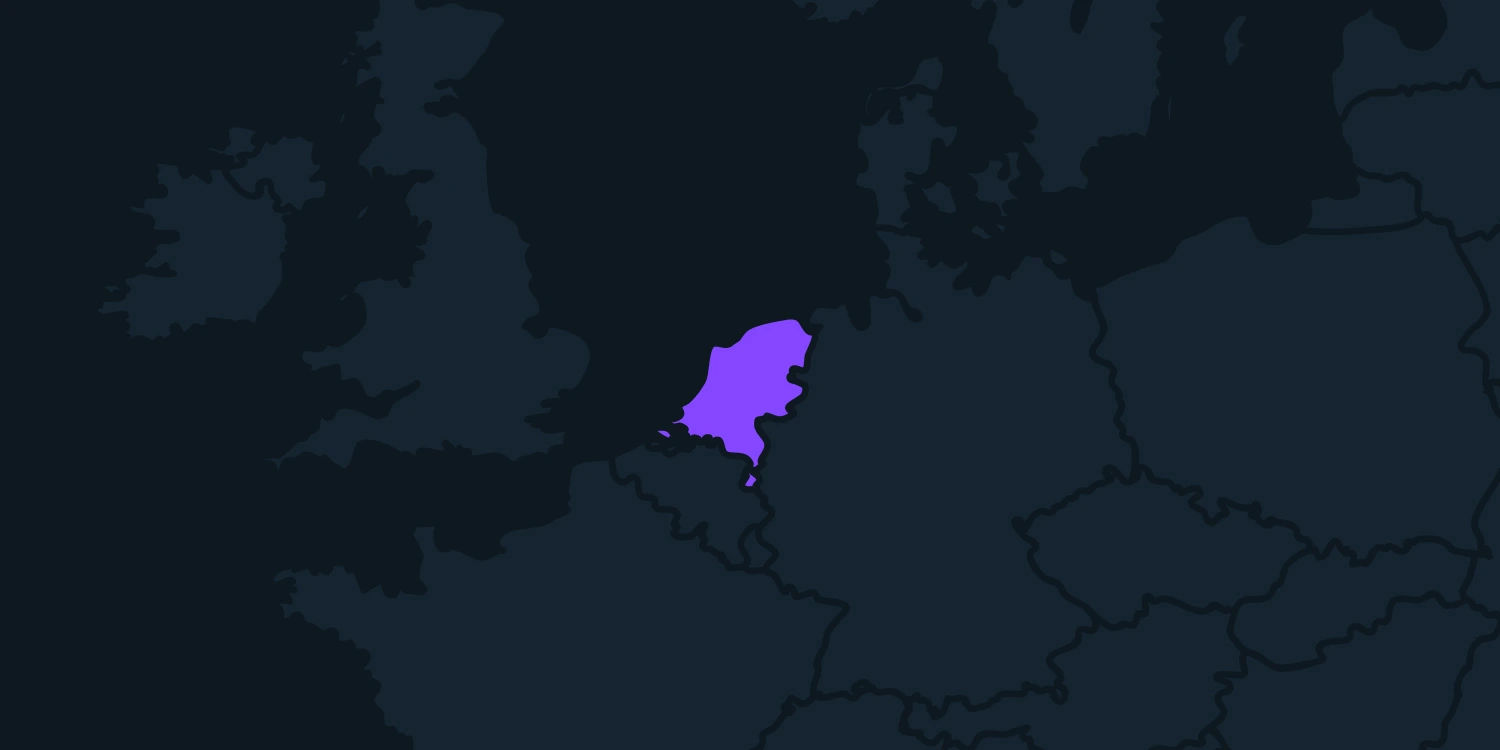
We published a full analysis of Europe’s NPL market for 2026, covering country-level data across Germany, France, Spain, Italy and the Netherlands, as well as the structural factors shaping transaction activity this year.