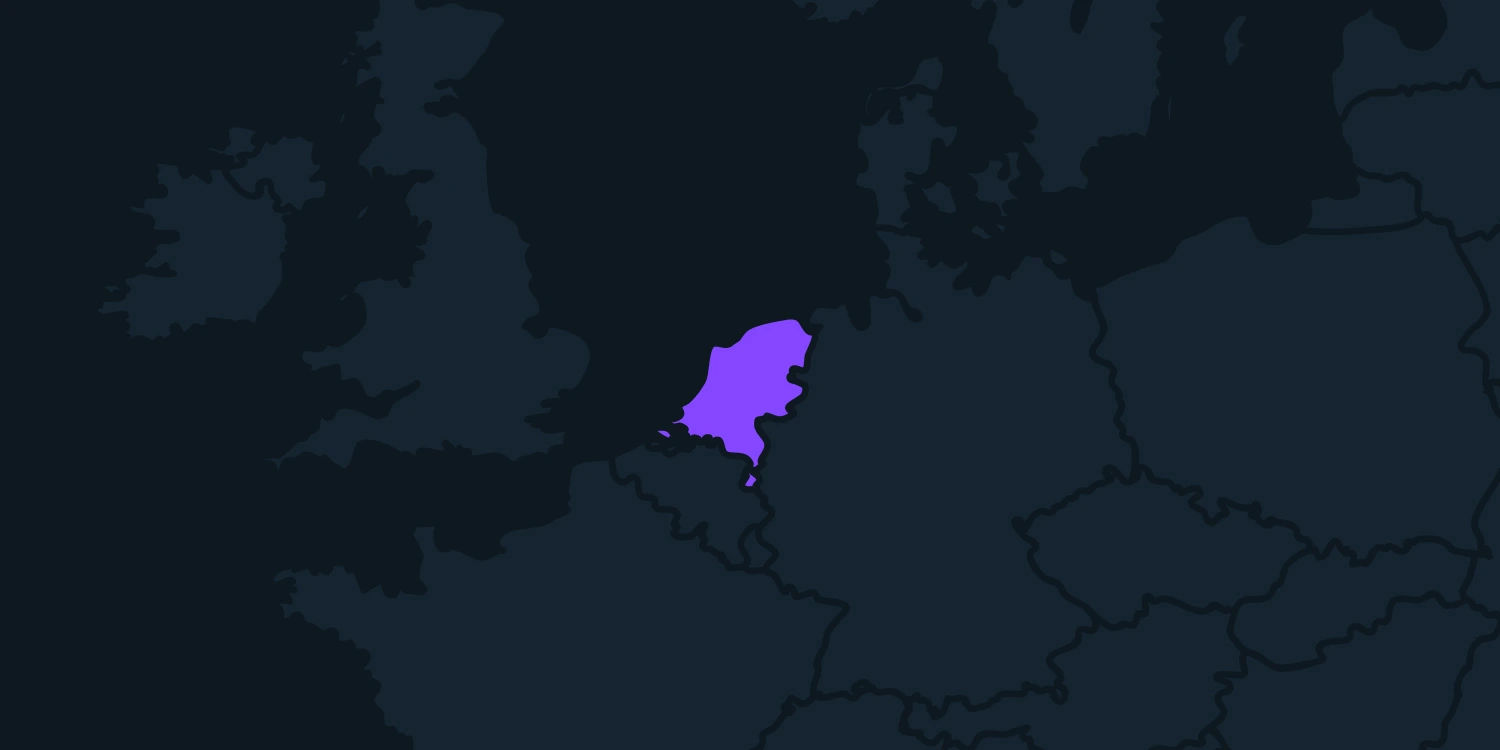
The Netherlands enters 2026 from a comparatively resilient position. Its overall NPL ratio fell from 1.48% to 1.32% in 2025, the lowest level among the five markets examined in the Drooms NPL Report 2026. NPL volumes also declined by €2.14bn to €27.35bn.
Commercial real estate follows the same direction.
CRE risk moves further below the European average
The Dutch CRE NPL ratio dropped from 3.9% to 3.1% within a year, putting it a full percentage point below the EU/EEA average of 4.1%. It is also the lowest CRE NPL ratio across the five markets covered by the report.
At a time when commercial real estate is adding pressure in markets such as Germany and France, the Netherlands is moving the other way.
Coverage remains the outlier
One metric complicates the otherwise positive picture. The NPL coverage ratio improved by 1.89 percentage points in 2025, but at 26.30% it remains the lowest among the five markets and well below the EU/EEA level of 42.60%.
The Dutch market therefore combines low levels of distress with comparatively limited coverage of the NPLs that remain.
A different kind of NPL market
This creates a very different environment from countries facing mounting refinancing pressure. The Netherlands is unlikely to be driven by a broad balance-sheet clean-up. Instead, potential transactions are more likely to arise from individual exposures and specific borrower or asset situations.
For investors, that shifts the emphasis from market-wide distress to case-by-case assessment. The opportunity lies less in the volume of NPLs available and more in identifying situations where collateral, borrower quality or asset fundamentals create an attractive risk-return profile.
Stability changes the opportunity set
The Dutch NPL market is therefore defined less by stress than by selectivity. Its low overall and CRE NPL ratios point to a market where opportunities are likely to remain targeted rather than broad-based.
That makes the Netherlands an interesting counterpoint within Europe: while some markets are preparing for rising pressure, the Dutch story is one of declining distress and a narrower, more selective transaction landscape.