Fundraising is easier to manage when documentation is prepared before investors begin asking detailed questions. Whether you are raising seed capital, Series A, Series B or a later-stage round, having the right startup fundraising documents ready can reduce delays, support smoother due diligence and give investors greater confidence in the business.
A well-organised and secure startup data room also gives founders more control over how confidential information is shared during the fundraising process.
Why startups should prepare documents before fundraising
Investors rarely make decisions based on a pitch deck alone. Once discussions become serious, they typically conduct investor due diligence covering ownership, finances, legal matters, intellectual property, customers, employees and technology.
Preparing documents early helps founders identify gaps, resolve inconsistencies and respond quickly to investor requests. It also reduces pressure on management during an already demanding fundraising process.
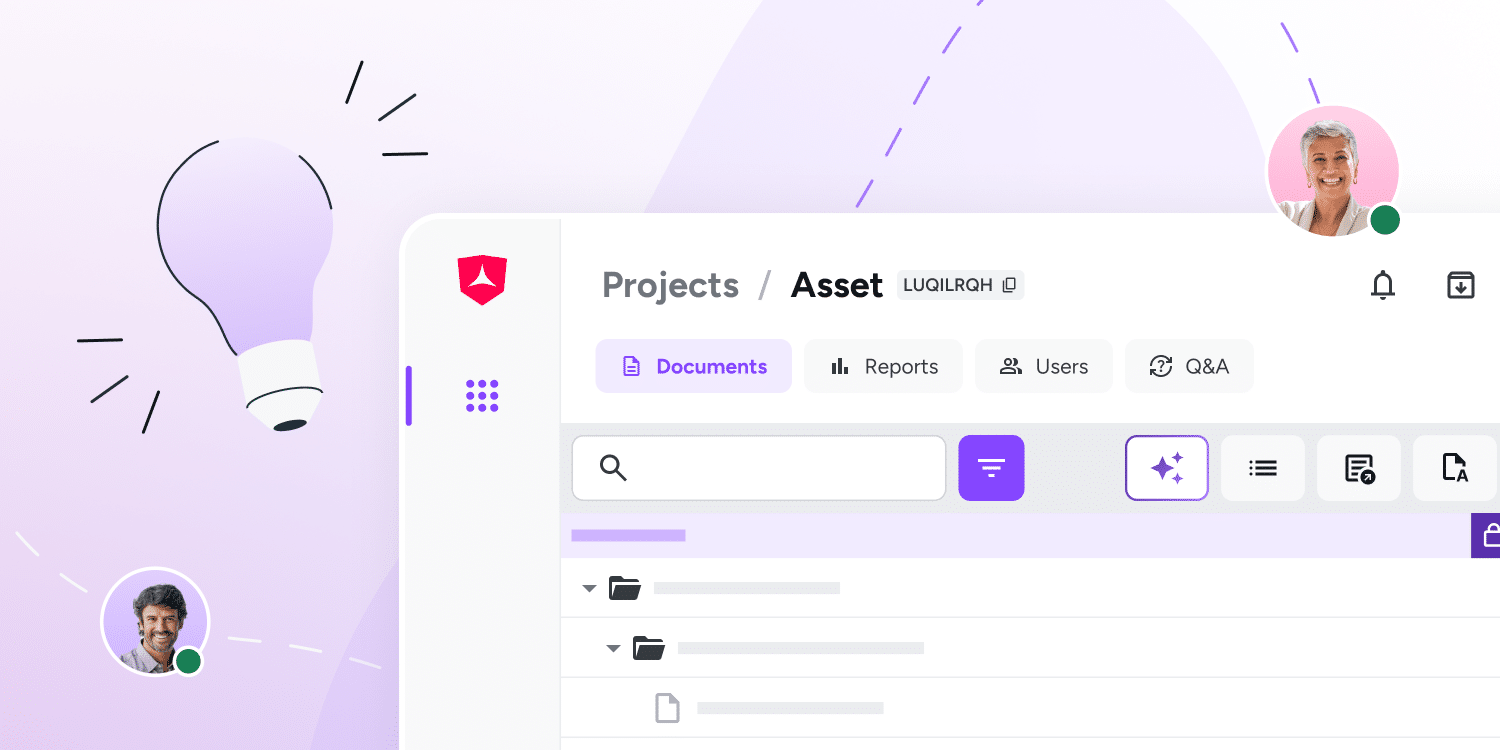
For larger or more complex rounds, setting up a secure Virtual Data Room before formal diligence begins can make document sharing easier to manage.
What documents do investors typically request?
The exact documents needed for fundraising vary by company, sector and funding stage, but most startup due diligence processes cover several core areas.
1. Company and corporate documents
Corporate records help investors understand how the company is structured and governed. Typical documents include:
- Certificate of incorporation
- Articles of association or bylaws
- Shareholder agreements
- Board and shareholder resolutions
- Subsidiary information
- Previous financing documents
These records should be current and consistent with the information presented elsewhere in the data room.
2. Financial documents
Investors use financial information to assess performance, cash requirements and future growth assumptions. Startups will commonly need historical financial statements, recent management accounts, budgets, forecasts, tax records and a financial model.
The level of detail usually increases as the company matures. Seed funding documents may be relatively simple, while Series A due diligence and later rounds typically involve greater scrutiny of financial performance, cash flow and forecasts.
3. Cap table and shareholder information
An accurate cap table is one of the most important startup fundraising documents. Investors need to understand who owns the company and how a new funding round could affect ownership.
The cap table should account for founders, investors, share classes, employee option pools, warrants and convertible instruments such as SAFEs or convertible notes. It should also match shareholder registers and previous financing agreements.
4. Legal contracts and agreements
Investors often review material contracts that could create risks or obligations for the business. These can include customer contracts, supplier agreements, partnership arrangements, leases, loan documents and insurance policies.
Particular attention may be given to change-of-control provisions, termination rights, exclusivity clauses, IP ownership and assignment restrictions.
5. Intellectual property documents
For many startups, intellectual property represents a significant part of company value. Relevant documents may include patents, trademarks, domain registrations, software licences, copyright records and IP assignment agreements.
Investors will often want confirmation that the startup itself owns its core intellectual property, particularly where founders, employees or contractors contributed to its development.
6. Customer and commercial information
Commercial information helps investors assess traction, revenue quality and customer risk. Relevant documents for investors may include customer contracts, revenue by customer or segment, pricing information, sales pipeline data, retention metrics and churn figures.
Customer concentration can receive additional scrutiny where a significant proportion of revenue comes from a small number of clients.
7. Employee and HR documents
Employee documentation helps investors understand employment obligations and key-person risks. Startups may need to provide employment and contractor agreements, organisational charts, compensation information, option schemes and confidentiality or IP assignment agreements.
Material employment disputes or unusual contractual commitments should also be disclosed where relevant.
8. Product, technology and cybersecurity information
Technology-focused investors may request information about the product roadmap, technology architecture, hosting infrastructure, development processes and data protection controls.
Documents may also include cybersecurity policies, security audits, penetration testing reports and business continuity plans. These materials help investors assess whether the company’s technology and controls can support future growth.
Preparing for investor due diligence?
Make sure you have the key documents investors are likely to request with our Startup Fundraising Data Room Checklist.
How to organise documents in a startup data room
A startup virtual data room should make information easy to find without overwhelming investors, whilst also representing the company in a secure and professional environment. Documents should be grouped into logical categories such as corporate, financial, legal, ownership, IP, commercial, HR and technology.
Consistent file names, dates and version control also matter. Founders should remove obvious duplicates and make sure outdated documents are not mistaken for current versions.
Permissions should reflect the sensitivity of each document. Employee data, detailed customer information and particularly confidential contracts may require restricted access.
Drooms’ can provide a controlled environment for sharing transaction documents. Founders can also explore Drooms’ resources, Drooms Hub for document workflows and Drooms Intelligence for AI-supported document analysis.
Ready to set up your startup data room?
Securely organise and share fundraising documents while keeping control over access and investor due diligence.
Common mistakes startups should avoid
Poor preparation can create unnecessary friction during fundraising due diligence. Common mistakes include:
- Outdated or inconsistent cap tables
- Conflicting financial figures
- Unsigned contracts
- Missing IP assignments
- Duplicate or poorly named files
- Overly broad access to sensitive information
- Using a generic document storage tool
Startups should also avoid treating the data room as a general archive. A useful investor data room should be comprehensive enough to answer likely diligence questions while remaining clear and easy to navigate.
Start for free, upgrade as your pipeline grows
Gratuito
Per month in the base tier
Per month in the base tier
FAQs about startup fundraising documents
What documents do investors need before investing in a startup?
Investors typically request corporate records, financial statements, forecasts, cap table information, major contracts, IP documents, customer information, employment records and relevant technology or cybersecurity materials.
What should be included in a startup data room?
A startup data room should contain the main documents required for investor due diligence, organised into clear categories such as corporate, finance, legal, ownership, commercial, HR, IP and technology.
When should a startup create an investor data room?
Ideally, before formal due diligence begins. Early preparation gives founders time to locate missing information, resolve inconsistencies and decide which documents require restricted access.
What documents are required for Series A due diligence?
Series A due diligence commonly covers financial performance, forecasts, cap table records, corporate documentation, material contracts, IP ownership, customer metrics, employment arrangements and technology.
How can startups make fundraising due diligence more efficient?
Startups can improve efficiency by preparing documents early, checking information for accuracy, using clear folder structures and controlling access to confidential information through a secure startup virtual data room.