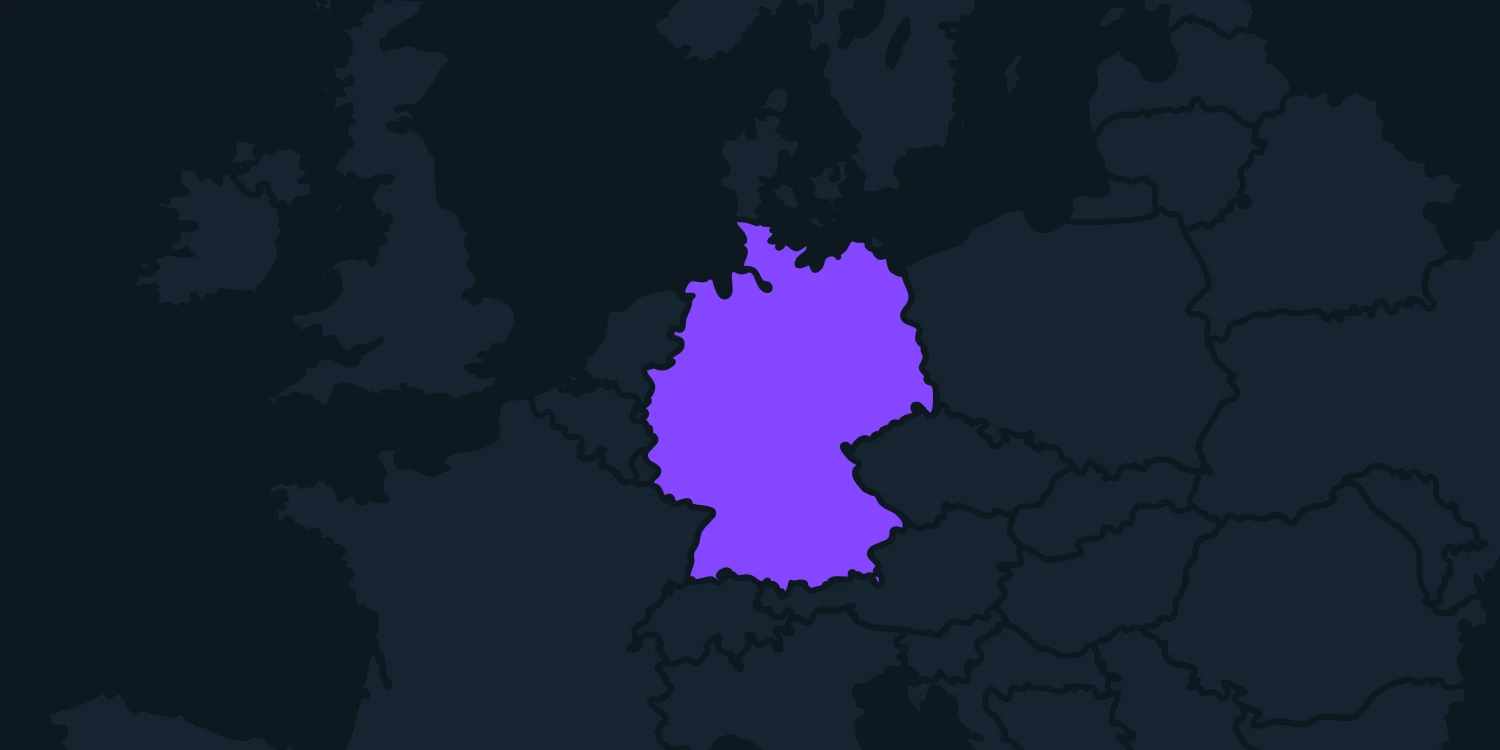
At first glance, Germany’s credit market appears relatively stable. The overall NPL ratio stands at 1.54%, below the EU/EEA average of 1.89%. Commercial real estate tells a different story, however: the CRE NPL ratio rose from 5.9% to 6.9% within a year. That is the highest level recorded across the five markets examined in the Drooms NPL Report 2026.
The pressure is concentrated in commercial real estate
Germany’s NPL volume rose to €53.49bn in 2025. More revealing, however, is what has not yet been classified as non-performing. BKS puts the volume of German Stage 2 loans at around €469bn. These loans are not yet NPLs, but they already carry significantly elevated credit risk.
The underlying pressure in loan books may therefore be greater than the headline NPL ratio suggests. This is particularly visible in commercial real estate lending.
Refinancing becomes the stress test
Many of these loans were originated during years of low interest rates and high property valuations. As they come up for refinancing, they are now meeting higher funding costs, revised business plans and, in some cases, lower asset values.
For 2026 to 2028, BKS expects €74bn to €86bn of refinancing volume in commercial real estate alone. Banks and property owners have so far often responded with extensions, restructurings or additional equity.
That buys time, but it does not resolve the underlying issue.
Why the large-scale sell-off has not materialised
A broad wave of disposals comparable to previous clean-up cycles has not emerged so far. Instead, the market is likely to develop gradually through smaller portfolios, individual loan exposures, restructurings and sales that are sometimes prepared before a loan is formally classified as non-performing.
As refinancing deadlines approach, however, the pressure to make decisions is increasing. If financing costs, valuations and original business plans remain out of alignment, lenders and owners will increasingly have to choose between another restructuring, enforcement or a loan sale.
Qué significa esto para los inversores
For investors, this expands the potential transaction universe, but individual cases also become more complex. Unlike large, standardised portfolios, individual loan exposures require credit documentation, borrower data, collateral, property valuations and legal and technical asset information to be brought together and assessed precisely.
In an increasingly selective market, available volume alone will not determine the opportunity. What matters is how quickly market participants can identify risks, review documentation and turn that information into robust investment decisions.