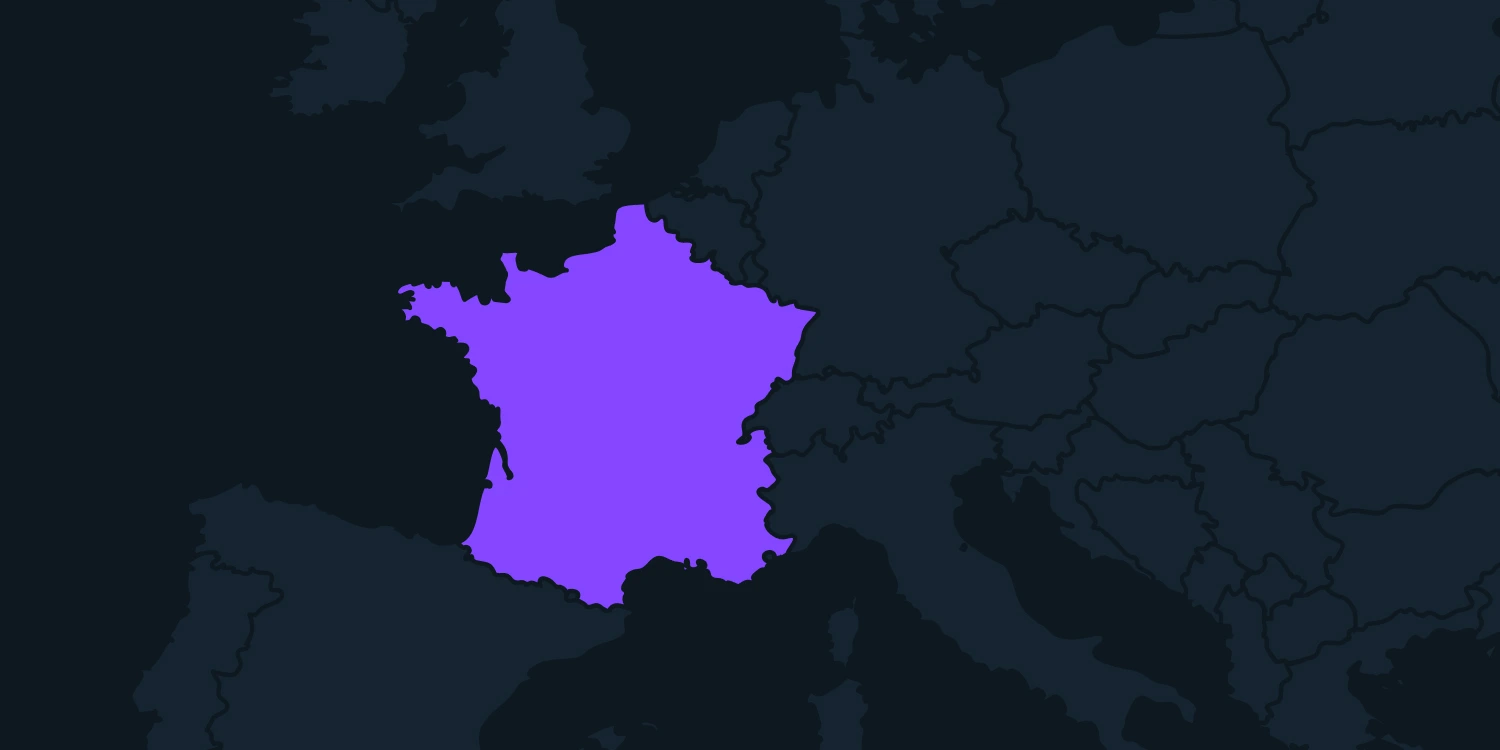
France is moving against the European trend. While NPL volumes declined in Spain, Italy and the Netherlands, the volume of non-performing loans in France rose by €7.58bn in 2025 to €127.80bn – the largest absolute increase across the five markets examined in the latest Drooms NPL Report 2026. The overall NPL ratio also increased from 2.01% to 2.13%.
Commercial real estate presents a more nuanced picture. That is precisely what sets the French market apart.
Rising NPLs, but no broad-based CRE stress
France’s CRE NPL ratio rose from 3.4% to 3.7% within a year. While this runs counter to the declining European trend, it remains below the EU/EEA average of 4.1%. At the same time, French large banks have lower overall exposure to commercial real estate relative to their balance sheets than comparable banks across the euro area.
That does not mean the real estate lending market is free from significant risk. The key question is where that risk is concentrated.
Refinancing pressure is concentrated in specific segments
French banking supervisor ACPR identifies elevated risks particularly in financing for construction projects and property traders. Among construction project loans, 70.1% mature within two years; for property traders, the figure rises to 74.0%. A large share of these loans are bullet structures or carry floating interest rates.
These segments also show Stage 2 and Stage 3 loan ratios well above the average for France’s overall real estate lending portfolio. Rather than facing a uniform CRE problem, France is therefore dealing with concentrated refinancing risks that are likely to become more visible as maturities approach.
From refinancing risk to transactions
So far, rising pressure has not triggered a broad wave of NPL sales in France or across Europe. Problem loans are often extended, restructured or otherwise stabilised. As long as these solutions remain viable, the immediate pressure to sell stays limited.
As NPL volumes rise and more loans reach maturity, however, a growing number of lenders and owners will have to reassess their options. The market is therefore more likely to develop through individual exposures, smaller portfolios and selective sales than through a single large-scale clean-up cycle.
Selective risks require selective due diligence
For investors, this uneven risk profile makes analysis more demanding. What matters is not only whether a loan has formally been classified as non-performing. Maturity profile, interest-rate structure, borrower quality, collateral and the economic position of the underlying project can be just as important.
The more risks are concentrated among individual borrowers and market segments, the more important it becomes to conduct due diligence that brings credit, borrower and asset data together in a complete and structured way – and makes differences between individual exposures quickly visible.