“For a long time we said the fundamentals are not changing, so something needs to happen.” Alexandre Grellier, CEO of Drooms, captured the mood of Europe’s NPL market in that one line. Yet he and his fellow panellists agreed that no broad wave of bank disposals is on the horizon.
On 30 October 2026, Drooms hosted a webinar on the state of the market, with expert speakers Anthony Casagrande (Founder of Evalio, formerly Head of Secured Investment and Special Situations at Oaktree-style collateral-backed investing at Hoist Finance) and Jose Maria Gil-Robles Casanueva (Partner and Head of Corporate and M&A at DLA Piper Spain) and Alexandre Grellier (CEO of Drooms). Jasper Radü, Member of the Board at PB3C moderated the session.
The numbers behind the discussion
The session drew on the Drooms NPL Report 2026. The main findings:
- Deceptive stability: NPL volumes at large banks directly supervised by the ECB fell only slightly in 2025, by EUR 1.81bn to EUR 355.16bn. That is still EUR 15.51bn above the level at the end of 2022.
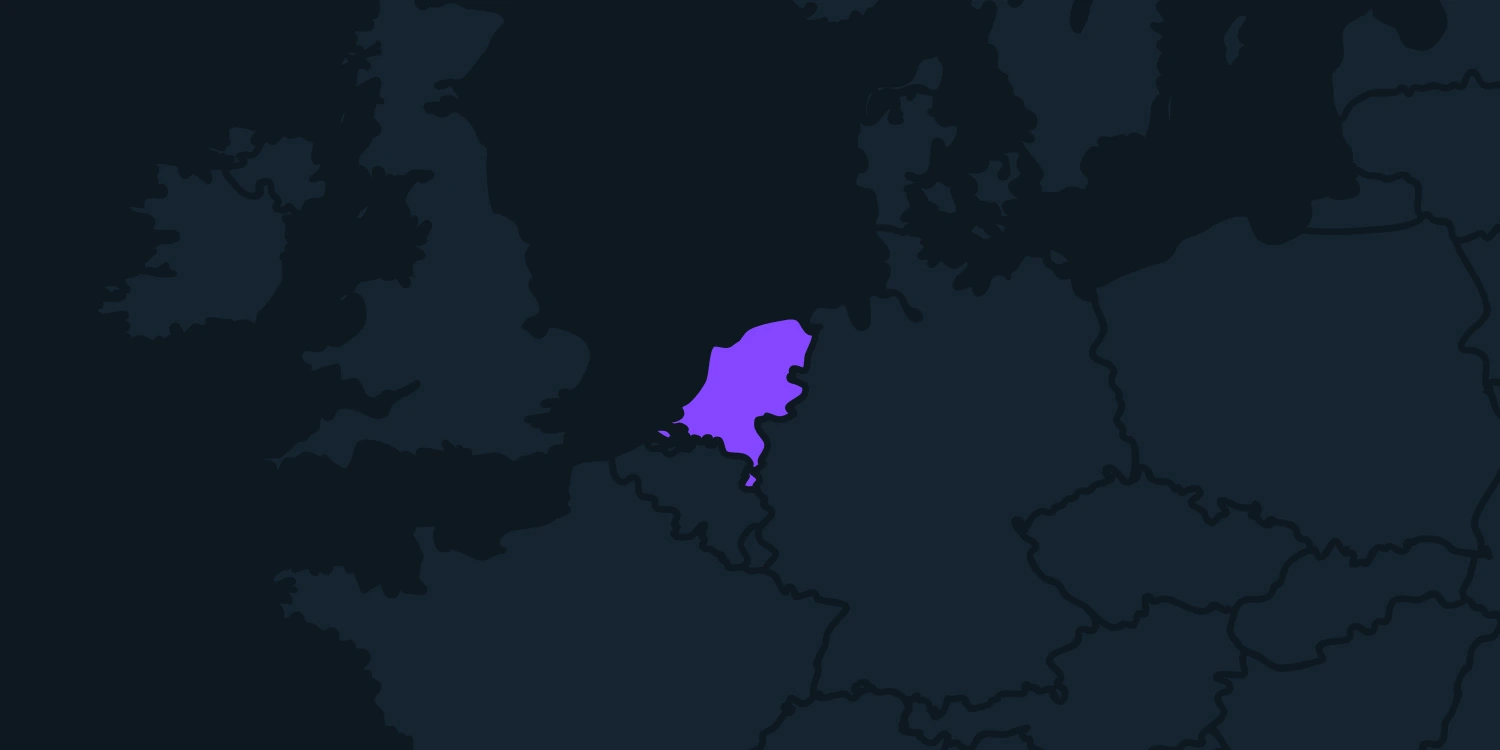
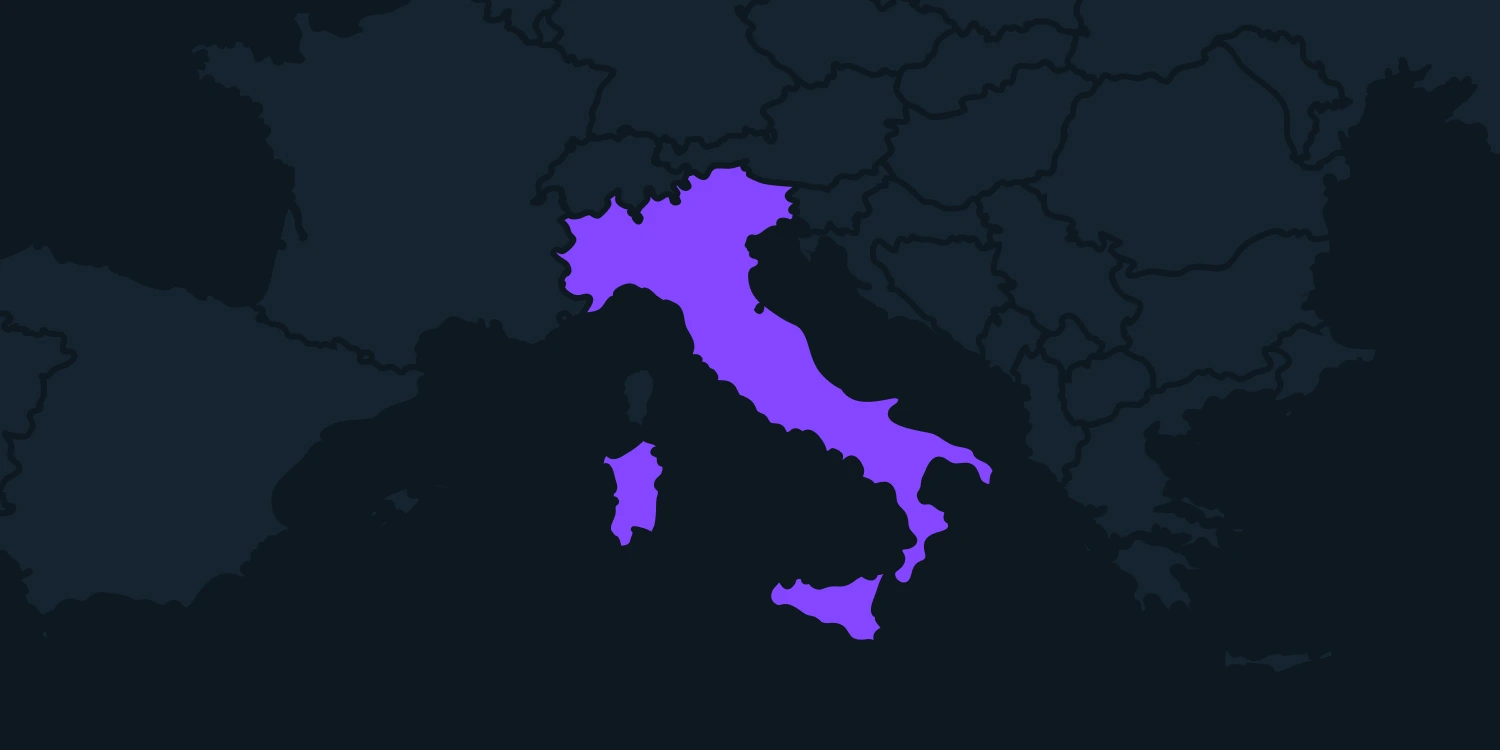
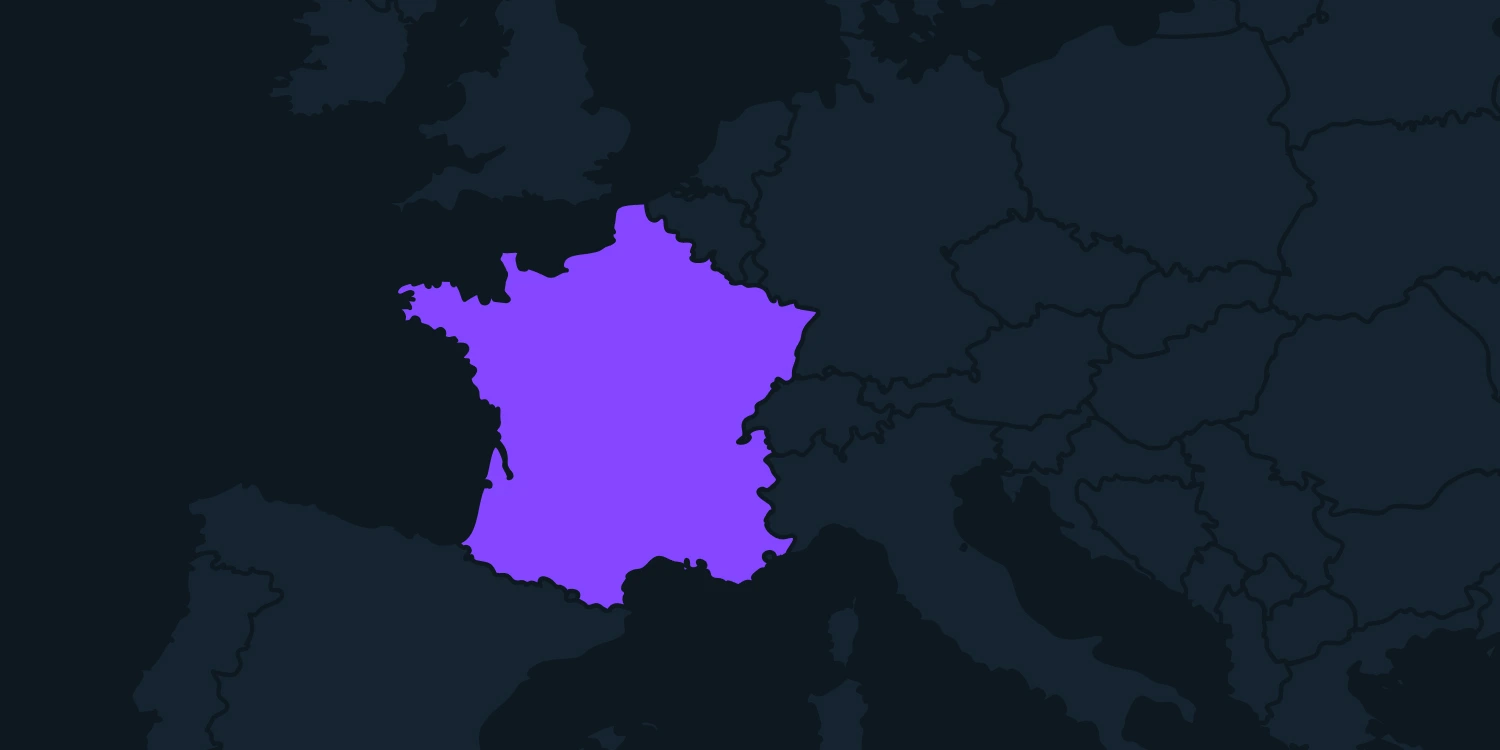
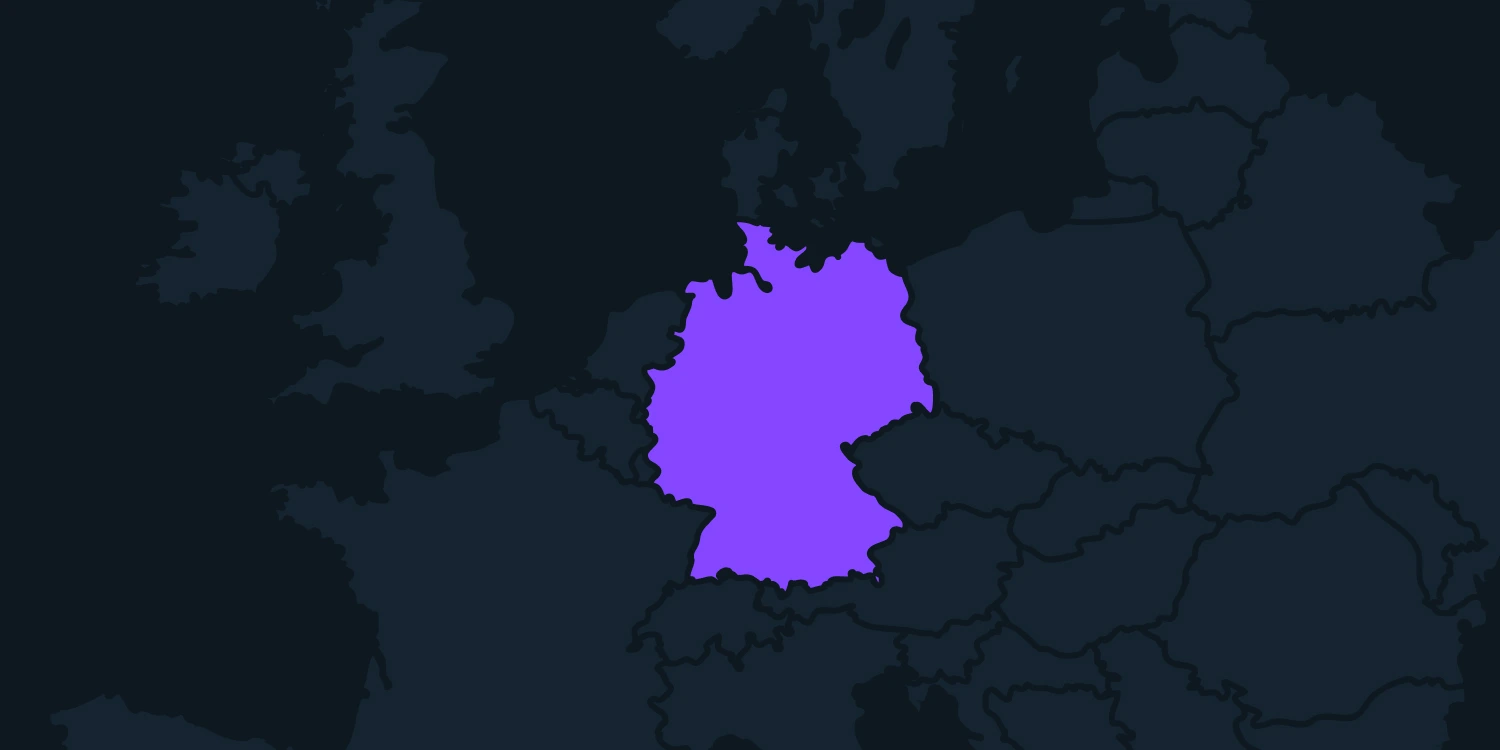
- Risk is shifting between countries: France’s NPL volume rose by EUR 7.58bn to EUR 127.80bn, and Germany’s rose by EUR 4.56bn to EUR 53.49bn. Spain, Italy and the Netherlands continued to reduce their stocks.
- Commercial real estate under pressure: Germany’s CRE NPL ratio rose from 5.9% to 6.9%, the highest of the five markets examined. France’s ratio rose to 3.7%. Spain and Italy each stood at 4.3%.
- Refinancing pressure: The BKS expects EUR 74bn to EUR 86bn of German commercial real estate refinancing between 2026 and 2028. German banks hold around EUR 469bn in Stage 2 loans.
- Selective activity rather than a wave: Individual exposures, smaller portfolios, restructurings and secondary sales are more likely than large-scale disposals.
- Data quality: Complete loan, borrower and property data remains the weak spot, and it is still lacking in 2026.
Will there be an NPL wave? The panel says no
All three speakers expect a selective market. Anthony Casagrande has heard the prediction of a massive opening of the French market since 2017 and 2018, when M&A activity around NPL specialists picked up, and it hasn’t materialised. What has changed is the seller base and the rhythm of supply.
- Pure mortgage run-off portfolios, dominated by the likes of CIF, have shrunk considerably.
- Large banking groups such as BNP, Crédit Agricole, BPCE and Crédit Mutuel now dominate supply, mostly with SME portfolios.
- Casagrande estimates that 70 to 80% of the volume he sees is SME portfolios backed by a wide range of commercial real estate.
- Sellers have matured and sell more regularly, so the last three years have brought a more consistent and predictable annual volume.
“We have not seen a really large opening of the market. However, there has been a lot of underlying trends.” Anthony Casagrande, Founder of Evalio
Reading the headline figures with care
Casagrande cautioned that most market studies rely on central bank data, which measures the stock held by French banks across Europe. The French banking sector is large relative to its economy, and many of the weaker loans sit in foreign branches. A 2019/2020 analysis he carried out with Deloitte, when the headline figure was about EUR 120bn, put the NPL stock actually located in France at roughly EUR 70bn to 80bn. Assuming a similar ratio today, France’s domestic stock is still significant and probably the largest in Europe, but smaller than the headline suggests.
Spain: investors have moved up the quality curve
Jose Maria Gil-Robles Casanueva described a Spanish market that cleaned up its balance sheets years ago, helped by European backing. Investors are now agnostic about product type: those who bought only mortgages two or three years ago are moving into re-performing and super-performing loans, SME loans and consumer loans.
His explanation for the shift is enforcement time. Taking ownership of an asset and vacating it can take between 15 and 48 months depending on the region and court workload, and at current interest rates every month of delay eats into portfolio value. Banks concluded that investors’ bids for non-performing mortgages were too low, while prices for performing and super-performing loans were acceptable, so they began selling assets that were once unheard of in the market.
“The largest deals we see in Spain nowadays are secondary transactions.” Jose Maria Gil-Robles Casanueva, Head of Corporate and M&A at DLA Piper Spain
From refinancing pressure to restructuring or sale
Alexandre Grellier explained that in Germany, the pressure comes from commercial real estate loans reaching the end of their terms. That does not necessarily lead to sales. Much happens behind closed doors, with lenders and borrowers looking for common ground, extending, or refinancing for as long as rental income still covers the loan. The acute problems appear where rent no longer covers the cost of maintaining the loan. In Germany, he said, the gap between book value and market value is often too large to bring a portfolio to market until supervisors raise the pressure.
Casagrande distinguished two separate markets:
- Granular NPL portfolios of retail, commercial and professional-finance loans, which are typically not designed to rely on refinancing.
- Larger syndicated positions of EUR 50m to 100m and above, where the refinancing wall matters. Some banks are looking to exit these via loan sales rather than re-up, with trading desks and private credit as the buyers.
In Spain, said Gil-Robles Casanueva, the decisive factor is confidence in management and ownership. Banks will not put new money into difficult situations, and when new money is needed they head for the exit. Over the past two years, banks sold quickly when they expected a borrower to be dragged into a creative restructuring. Now that courts take restructurings more seriously and give debtors less room, banks are more patient and weigh a discounted sale against staying in and backing the plan.
“Spanish banks will never put new money into difficult situations. If new money is needed, they’ll rush to the door.” Jose Maria Gil-Robles Casanueva, Head of Corporate and M&A at DLA Piper Spain
He added that German banks today remind him of Spain in 2007 and 2008, when banks said their balance sheets were fine. Spanish banks are now far more conservative, and aggressive provisioning makes it easier to sell because expected losses are lower.
Which assets are under pressure
The three markets look different:
- Germany: Commercial real estate is the clear pressure point, with the ratio at 6.9%. Grellier asked how long offices will stay the problem asset class, since more employers are asking staff back to the office. He cited Deutsche Bahn, which announced that from January its whole staff will be in the office at least three days a week.
- France: According to Casagrande, offices are not over-represented in portfolios yet, and that may come later. The portfolios now trading are three to five years into their restructuring cycle and are diverse. They feature hospitality, high-street retail in town centres, agricultural property, and loans to small developers who built into a market that could not absorb the product.
- Spain: Gil-Robles Casanueva does not see commercial real estate as an issue. Hotels, developments and shopping malls have long since changed hands, banks no longer finance land development, and Spain never had the office problem seen elsewhere. This matches the 4.3% ratio, which is only slightly above the EU average of 4.1%.
Pricing gaps and the value of data
Moderator Jasper Radü asked what sellers and buyers must do to close the pricing gap. Casagrande said the gap used to be a serious obstacle: before COVID, at least a third of the transactions he worked on failed on price. Since then, the European guidelines on mandatory provisioning have forced banks to provision secured loans fully after about five or six years, which creates a natural inflection point for selling. He has not heard of a single transaction pulled for pricing reasons in recent years, even though average interest rates are 3 to 4% higher than before COVID. Either banks are bringing to market what they have provisioned adequately, or seller expectations have caught up.
Data quality is where he sees a lasting edge. French portfolio data remains extremely poor. In the last portfolio he worked on, 1,600 assets came with no surface area and no indication of whether they were residential or commercial. An unprepared investor will underprice such a portfolio, while one who runs targeted credit, borrower and collateral due diligence removes risk and can bid higher. The bank often does not know the portfolio’s true value either, because it lacks a holistic view of its collateral.
Grellier agreed: a good transaction needs good data and information, and the use of data governance platforms is still not where it could be, which keeps information from flowing and makes it harder to bring NPLs to market. Gil-Robles Casanueva said that in Spain information gaps were once a problem because many selling banks had inherited loans from merged savings banks. That is largely solved, and the remaining gap is in litigated loans, where the information provided in a transaction is typically not good enough.
Grellier noted that Spanish banks are particularly active in using platforms like Drooms as a single source of truth, doing extensive preparation before going to market. He sees this to a lesser degree in other markets, although Drooms has customers all over Europe.
“A good transaction needs good data and good information as a foundation.” Alexandre Grellier, CEO of Drooms
What the next phase looks like
Each panellist closed with an outlook for the deal types that will shape the market.
- France: Casagrande expects traditional true sales to continue. The market is too small to justify securitisation, which makes sense when issuers need to reach a wider capital pool. The volume fits the established debt purchaser and servicer model.
- Spain: Gil-Robles Casanueva expects continuity: smaller deals, secondary transactions and competitive processes rather than bilateral ones. Family offices are now investing in NPLs, and he anticipates some more mortgage securitisation, because buying and managing mortgages will become increasingly expensive.
- Germany and beyond: Grellier sees activity shifting towards countries other than the Southern European markets of the past, depending on supervisors and bank behaviour. He expects small, well-prepared portfolios to be sold quickly, possibly in many asset classes beyond commercial real estate, and does not see a wave coming. Casagrande agreed.
Closing takeaways
- Stable European headline figures hide a marked shift in risk from Southern Europe towards Germany and France.
- The market will most likely stay selective. Expect smaller portfolios, individual exposures, restructurings and secondary sales rather than a wave.
- Enforcement timelines, provisioning rules and supervisory pressure explain more about when loans reach the market than the headline NPL ratio.
- Sellers and buyers who close data gaps early can price more precisely and move faster, particularly as portfolios get smaller and deadlines shorter.
Watch the recording and read the white paper
Missed the session or want to revisit a point? Watch the full recording.
Want to read the report?