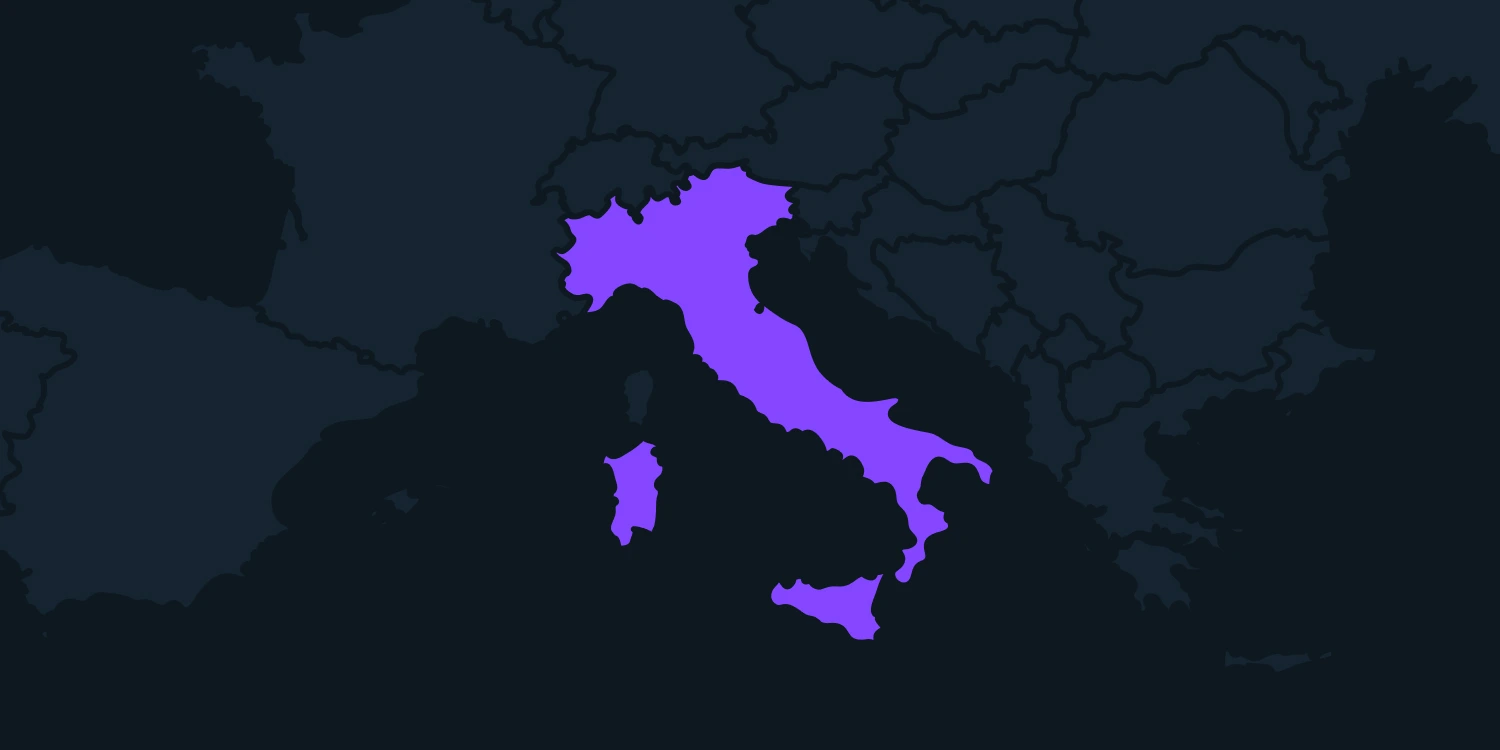
Italy continues to reduce its stock of non-performing loans. NPL volumes fell by €4.75bn in 2025 to €33.49bn, while the overall NPL ratio declined from 2.31% to 2.00%. This puts Italy on a different trajectory from Germany and France, where NPL pressure has recently increased.
The progress is also clearly visible in commercial real estate lending.
CRE risks move closer to the European average
Italy’s CRE NPL ratio fell from 5.7% to 4.3% within a year, bringing it close to the EU/EEA average of 4.1%. At the same time, Italy still has the highest NPL coverage ratio of the five markets examined in the Drooms NPL Report 2026, at 51.21%.
Behind these figures is a clean-up process that began years ago. In the wake of the financial and euro crises, Italian banks steadily reduced high NPL stocks through loan sales, securitisations and other resolution mechanisms.
A market with an established NPL infrastructure
In parallel, a specialised ecosystem of workout teams, credit servicers and advisers has developed. Italy therefore benefits from well-established structures for managing and trading distressed loans – an advantage over markets where such capabilities now need to be rebuilt after years of low NPL ratios.
The market remains significant despite declining stocks: Italian banks still accounted for more than half of European NPL transaction volumes in 2023.
The transaction landscape is changing
As the clean-up progresses, however, the stock of legacy problem loans capable of generating new large portfolio transactions is shrinking. At the same time, secondary sales between credit investors are becoming more important across Europe.
This is changing the nature of investment opportunities: away from large-scale balance-sheet clean-ups and towards more selective transactions and individual loan exposures.
Ce que cela signifie pour les investisseurs
A mature NPL market does not automatically make individual transactions less complex. As available exposures become more selective, complete credit documentation, robust borrower and asset data, and a precise assessment of the legal and economic position become increasingly important.
For investors, the key advantage therefore lies in bringing relevant information together quickly, making risks comparable and assessing individual opportunities on a well-founded basis.