Securing investment in the life sciences sector is unlike any other fundraising process. Biotech investors don’t just evaluate your vision – they scrutinise your science, your regulatory pathway, your IP, and your clinical data. A compelling pitch deck gets you in the room, but a well-prepared data room is what keeps investors engaged. Think of your data room as the evidence base behind every claim you make in your pitch.
Why biotech investors need more than a pitch deck
In life sciences, the stakes of due diligence are higher than in most other sectors. Investors are backing years of R&D, regulatory uncertainty, and long commercialisation timelines – so they need to verify everything.
A data room is the secure, structured environment where that verification happens. Investors who can quickly find what they’re looking for are far more likely to stay engaged – and far less likely to raise concerns about credibility.
Start with your pitch deck
The most effective way to build a biotech data room is to work backwards from your pitch deck. Go through each slide and ask: “If an investor wanted to dig deeper here, what would I show them?” That answer becomes your folder structure and document checklist. This approach ensures that your data room and pitch deck tell a consistent story.
What to include in your biotech investor data room
A life science data room must go beyond the standard startup documents. In addition to the usual financial and legal materials, biotech investors expect access to science-specific content that validates your technology and de-risks their decision.
| Company overview – Executive summary and pitch deck (confidential version) – Business model and vision – Company history – R&D roadmap | Science and clinical programmes – Preclinical study data (completed, ongoing, and planned) – Clinical trial data and protocols – Manufacturing process documentation and facility overviews |
| Regulatory – FDA correspondence and submissions (or EMA equivalents) – Investigator’s brochure (IB) and IND filings – Regulatory conversation history and archived documents – Compliance certifications | Intellectual property – Patent portfolio – IP assignment agreements – Licence agreements (in and out) – Trademark and copyright registrations |
| Intellectual property – Patent portfolio – IP assignment agreements – Licence agreements (in and out) – Trademark and copyright registrations | Financials – P&L statements, balance sheet, and cash flow – 3–5 year financial projections with assumptions – Cap table (fully diluted) and vesting schedules – Latest valuation with clear methodology |
| Legal – Articles of incorporation and bylaws – Shareholder agreements – Board meeting minutes (2–3 years) – Key contracts and partnership agreements | Team – Founder and leadership bios – Organisational chart and key hires – Scientific advisory board profiles |
How to use your data room effectively in investor meetings
1. Organise with a clear, logical structure
Use folder names that are simple and self-explanatory – Science, Financials, Clinical, Regulatory, Legal, Team – so investors can navigate without a guide. Avoid over-engineering your structure; the goal is clarity, not complexity.
2. Stage access carefully
Not every investor needs to see everything from day one. Share summary materials early, then open up more sensitive documents – clinical data, manufacturing details, full financials – as conversations progress and NDAs are in place. Use permission controls to ensure confidential documents are only visible to those who have met the appropriate confidentiality requirements.
3. Keep it aligned with what you’re saying in meetings
Refresh your data room regularly so that financials, KPI updates, and clinical milestones always reflect your current situation. If you announce a new development in a meeting, make sure the supporting documentation is already in the data room before investors go looking for it.
4. Monitor engagement
Use built-in analytics to see which documents investors are opening and how long they’re spending on them. This is one of the most powerful features of a data room, giving you a clear advantage. Patterns in document engagement reveal where investor interest is strongest and where concerns may be forming, giving you the opportunity to address questions proactively.
5. Respond efficiently to questions
Leverage built-in Q&A to manage investor queries through structured workflows. In biotech questions can be highly technical, automatic routing of questions to the right answer teams and having an approval process for responses protects your team and ensures consistency.
Why Drooms Hub is built for life science fundraising
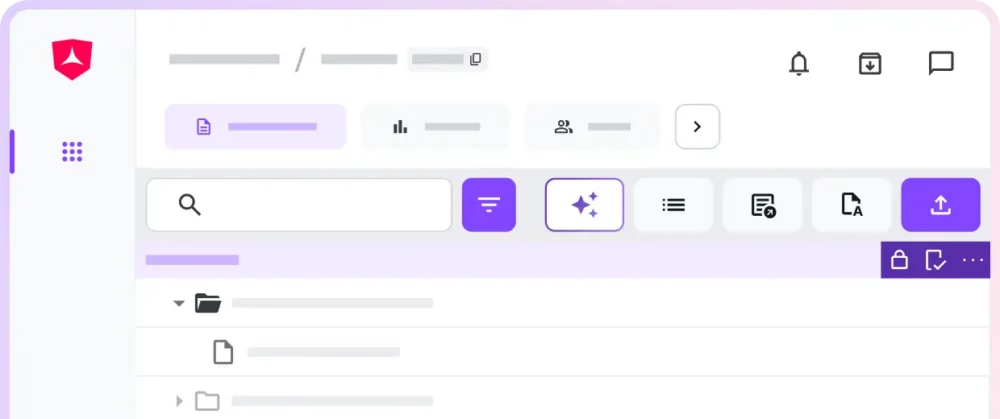
Drooms Hub is designed for companies that need enterprise-grade security without the complexity of a full corporate deployment. You get one platform for all your confidential projects – all with only one subscription.
- Quick setup: Subscribe online and set up your data room easily
- Granular access controls: Tiered permissions ensure the right people see the right documents at the right time
- GDPR-compliant and European sovereignty: Your most sensitive data stays protected under European law on georedundant European servers
- AI-powered tools: Automate document redaction, translations and analysis, and accelerate your document review process
- Built-in Q&A and chat: Keep all internal and external fundraising-related communications in one secure place, separate from unsecure email
- One subscription with flexible pricing: Start with what you need today and upgrade or downgrade as your fundraising process grows – with predictable, transparent pricing.
The bottom line
In biotech fundraising, your pitch opens the door – but your data room closes the deal. A well-prepared data room doesn’t just support your fundraising. It sends a signal that you are organised, rigorous, and ready – exactly the qualities that life science investors are looking for in a founding team.
Discover Drooms Hub and build an investor data room that matches your pitch from day one.
FAQ
What makes a biotech data room different from a standard startup data room?
Biotech data rooms include science-specific materials that standard data rooms don’t require – clinical trial data, regulatory filings, IP portfolios, preclinical study results, and manufacturing documentation. These are the documents life science investors use to validate the technology behind the pitch.
When should I share my data room with investors?
Share an initial version with summary materials once you have a signed NDA in place. Open up more sensitive materials — full clinical data, detailed financials, regulatory correspondence – as conversations progress and investor seriousness is established.
How do I make sure my data room matches my pitch deck?
Work through each slide of your pitch deck and identify the supporting document for every claim you make. Build your folder structure around those documents, and audit both assets for consistency before every investor meeting.
How many documents should I include?
Focus on quality over quantity. Include current, accurate versions of all essential documents across the key categories – company overview, science, regulatory, IP, financials, legal, and team. Remove outdated files and duplicates before granting access.